Rwanda: Meeting cooperatives

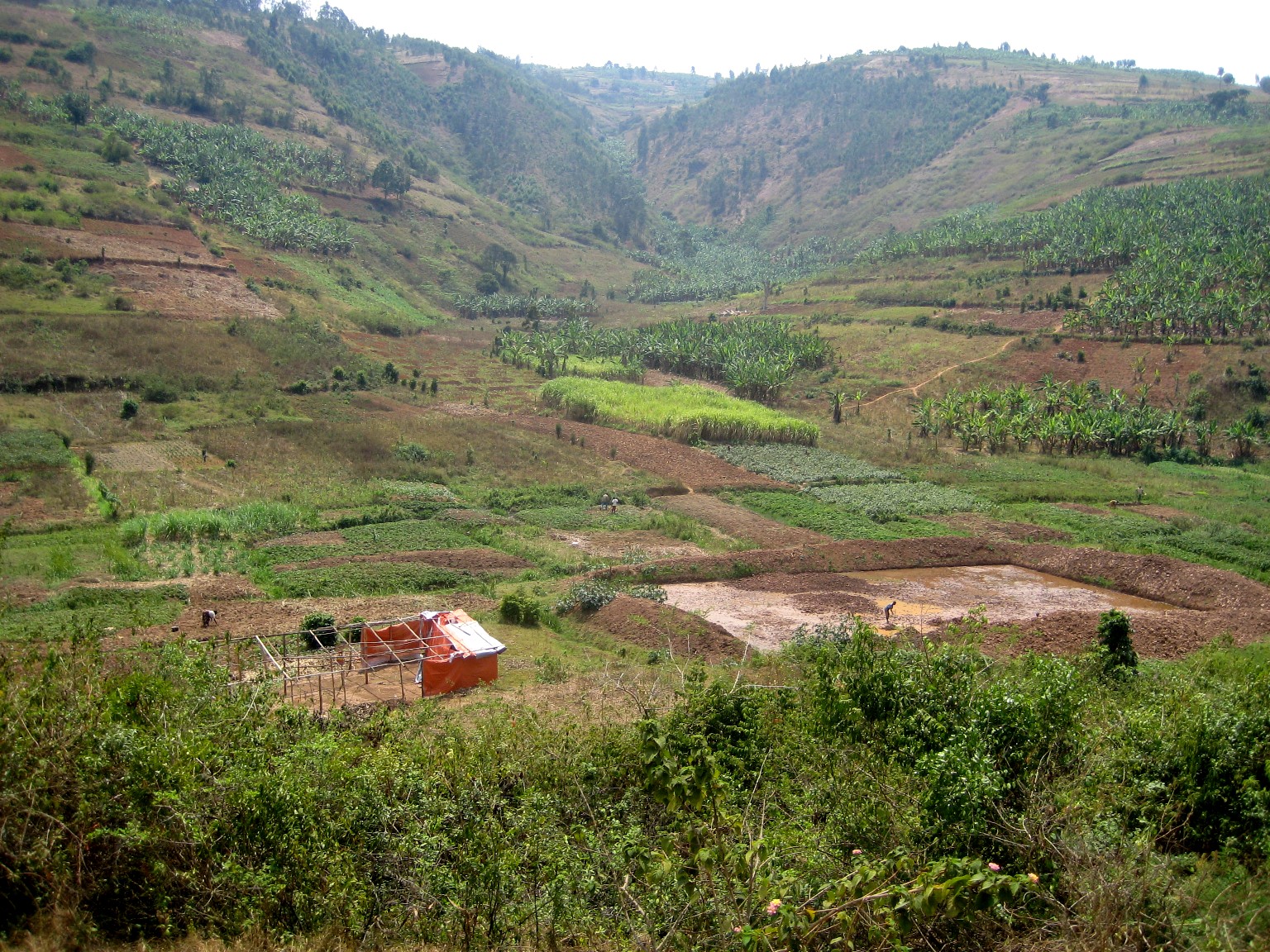
IN A VALLEY NEAR NDERA, Rwanda – The cooperatives we visited today exemplify the situations we envisioned when creating the Barefoot MBA.

More than three years ago, in the comfort of the Stanford campus, we had visions of meeting with groups so far off the beaten path we had no option but to use nature as furniture and shade.

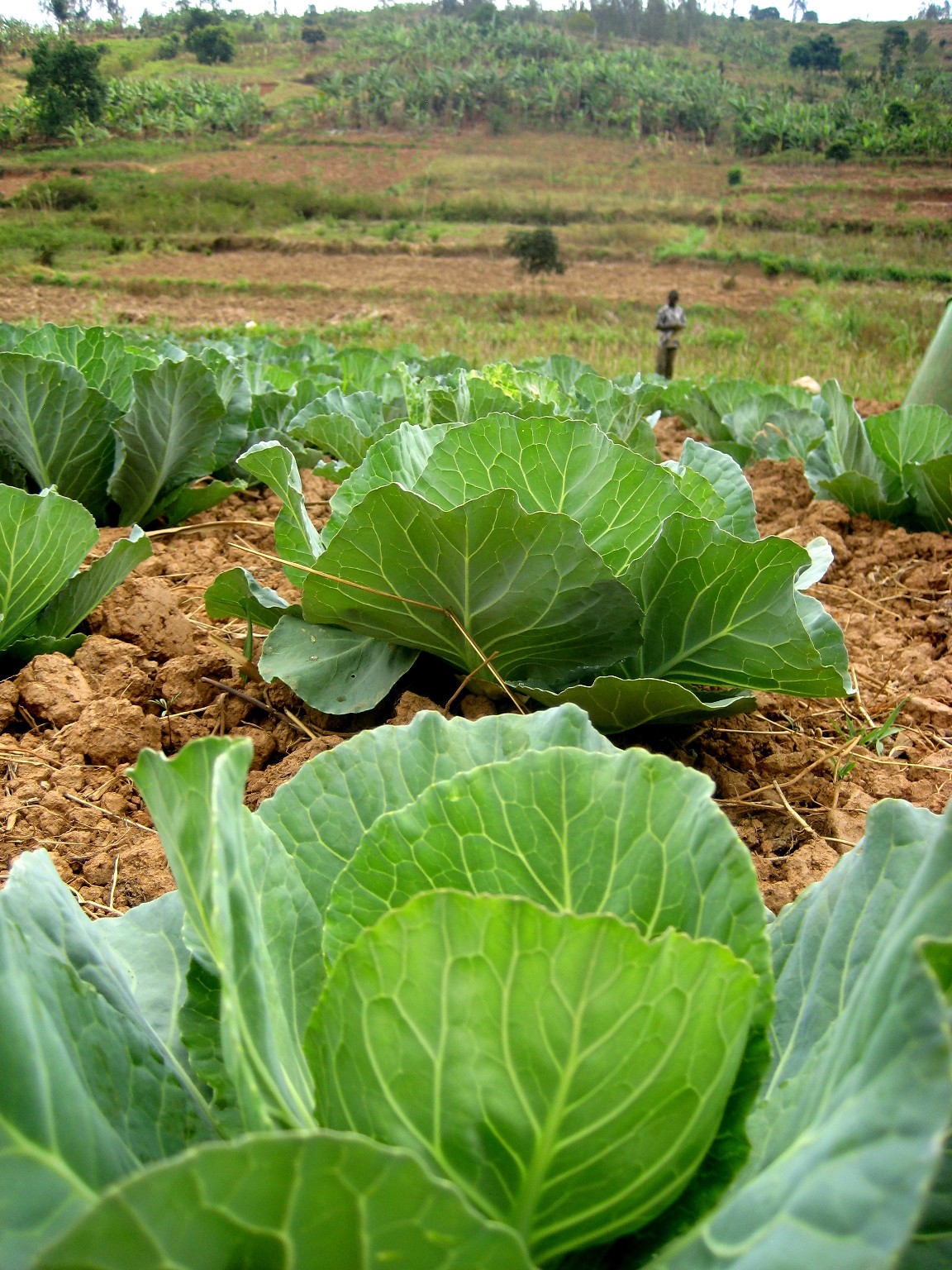
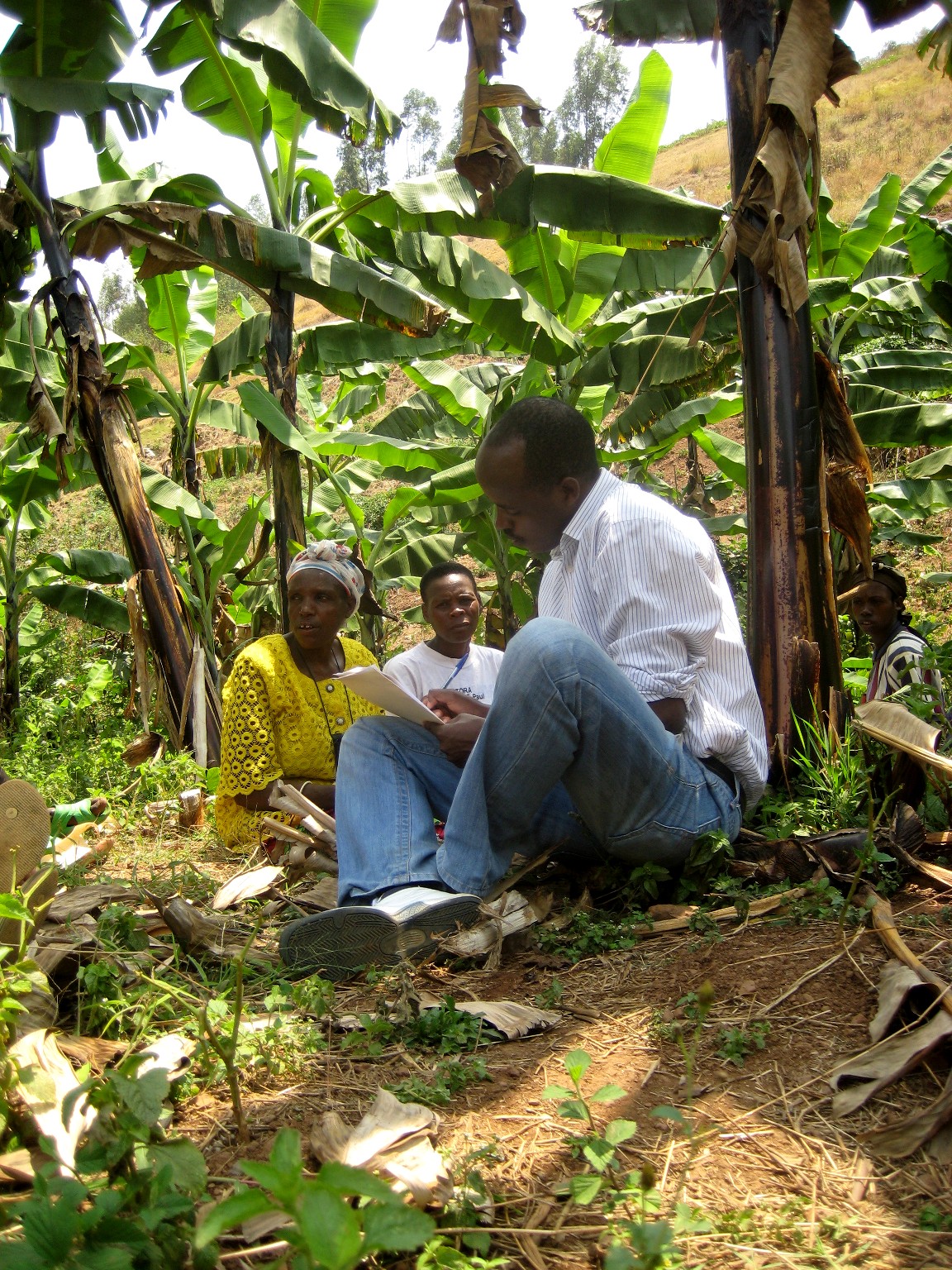
Today, we twice hiked into the valley to meet cooperatives whose most substantive structure is a rabbit hutch. At the first, we walked through an extensive cabbage farm while Modeste, GHI’s first local employee, talked to cooperative leaders about a succession plan for their recently deceased president. At the second, we sat beneath banana trees as Modeste interviewed members of a cooperative applying to formalize its relationship with GHI. At one point, Modeste asked cooperative members what they wanted to learn. Their first response? Business.

On Thursday we’ll return to the first cooperative, where the field officers we’ve been training at GHI headquarters will practice what they’ve been learning.

Rwiyemeza mikimo w’ikirenga utagira n’inkweto


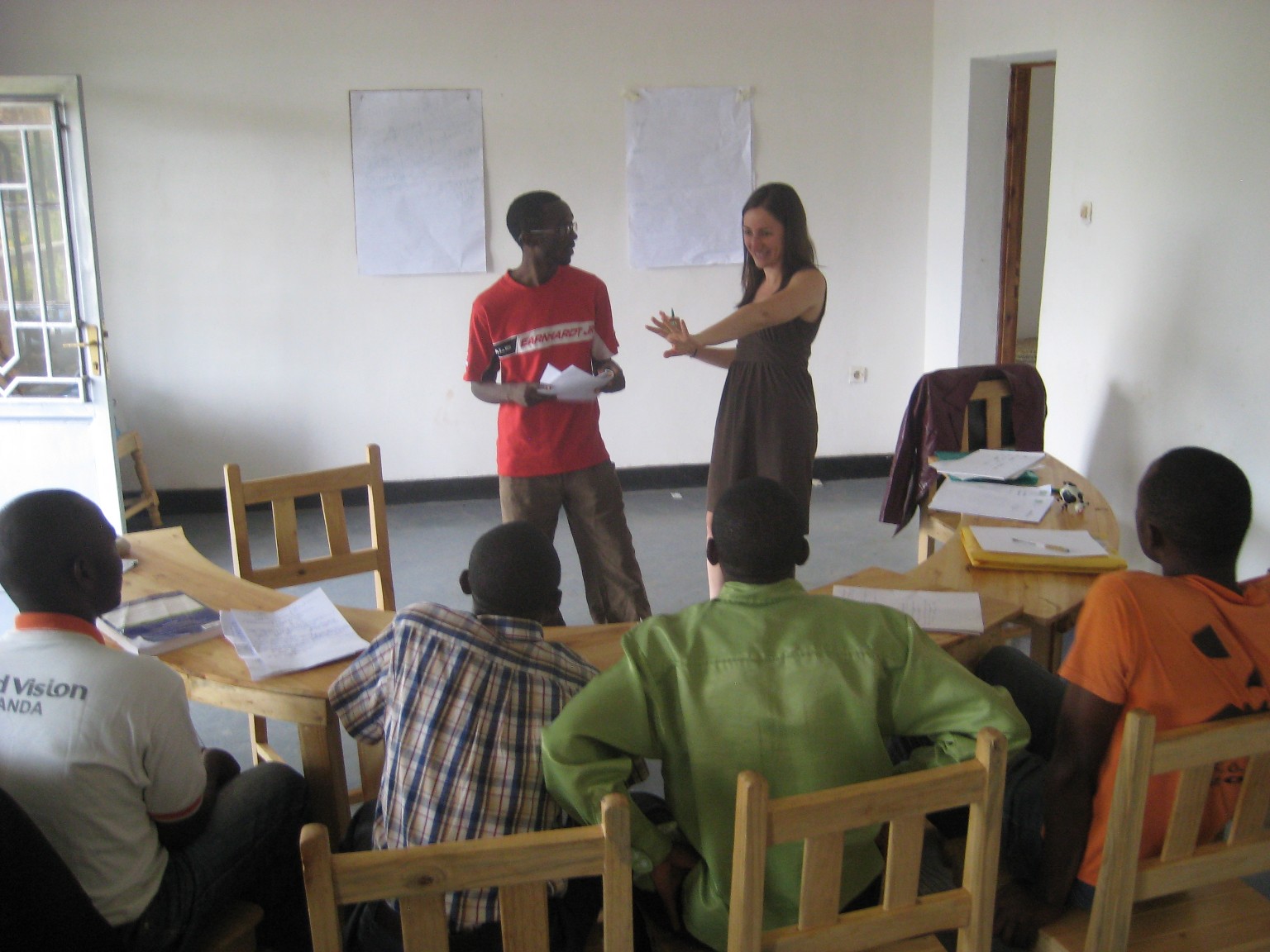
NDERA, Rwanda – We dived straight into lessons here at Gardens for Health International (GHI): six Barefoot MBA topics for GHI’s field officers and a little Kinyarwanda for me. Sunday, GHI’s program associate, facilitated both.

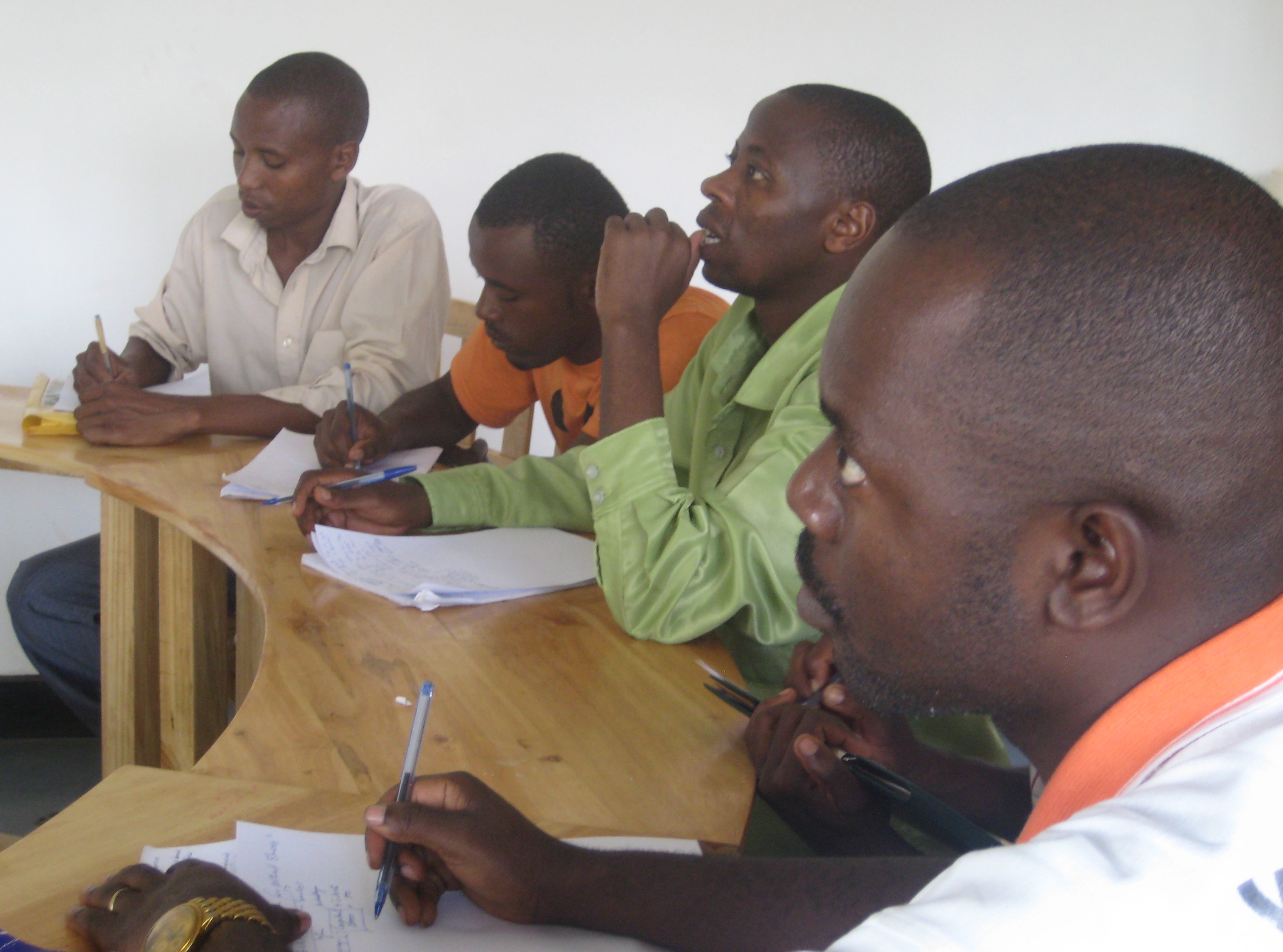
Today was the first day on the job for the five field officers, whose energy brought to life their afternoon of lessons. GHI selected the field officers from a pool of 160 through process that, based on field officers’ questions and insights today, was much more rigorous than the Barefoot MBA.

Sunday spent the summer adapting and translating the Barefoot MBA, so after a brief run through this morning, he was ready as scheduled to teach the field officers. We’re teaching ten Barefoot MBA lessons to the field officers, who later this week will teach three to cooperative members.

The field officers listened intently as Sunday taught profit, saving and investing, the three lessons they’ll teach in the field this week. They actively participated in the investing activity, which showed month-by-month growth of the dodo vegetable (sprouts can be sold for up to double the cost of seeds), hens (produce 30 eggs a month, which can be sold for 80 Rfw apiece) and rabbits (multiply like rabbits!). They understood that saving cash can be safe, especially in the short term, but does not generate value over time. They picked up on the seasonality of a dodo investment. And they pointed out that rabbits multiply so quickly that their seller might not be able to find enough willing buyers.

Reassured that they’d practice teaching profit, saving and investing to each other before heading to the cooperatives, the field officers were ready for more. Sunday taught them spending, planning and records, and production, which they picked up just as quickly as they did the first three lessons. He gave a quick overview of the lessons we’ll teach next and then asked the field officers if they had questions.

“What is MBA?” they asked. Sunday explained. The group was amused as it tried to translate ‘Barefoot MBA’ into Kinyarwanda, not a simple task here, where brevity and MBAs are rare. Their solution was my first lesson in the local language: rwiyemeza mikimo w’ikirenga utagira n’inkweto, which literally means a master good entrepreneur with no shoes on. I told them I’d rather start by learning the word for ‘thank you’: murakoze.

Maker Faire Africa: Lessons, day 2

NAIROBI – A few minutes before our stated start time of 10 a.m., our tent was empty. Well, except for a few chairs. The rain had just passed, and makers were still setting up. Some asked if they could use our chairs at their booths. They saw no signs of a workshop.

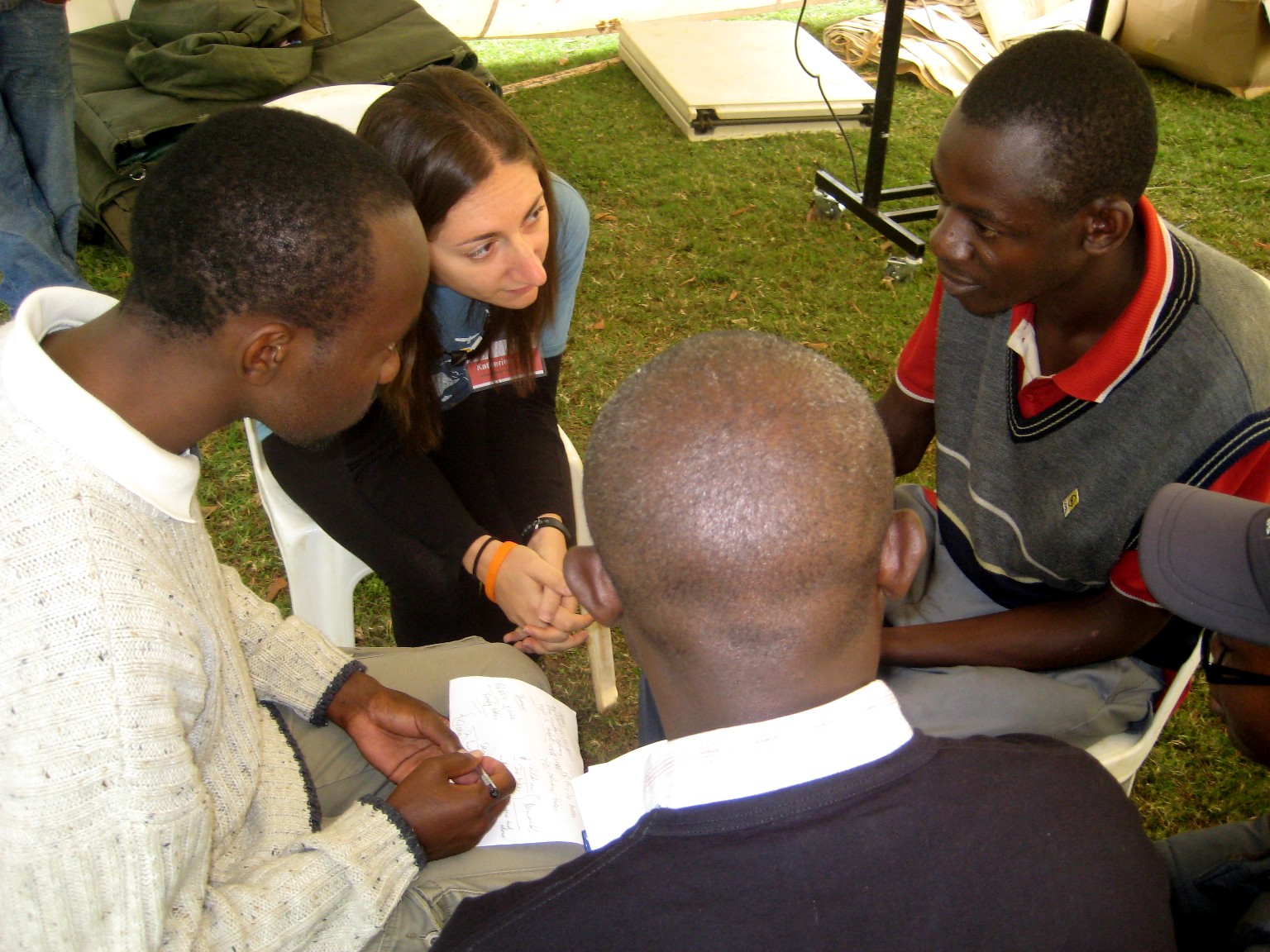
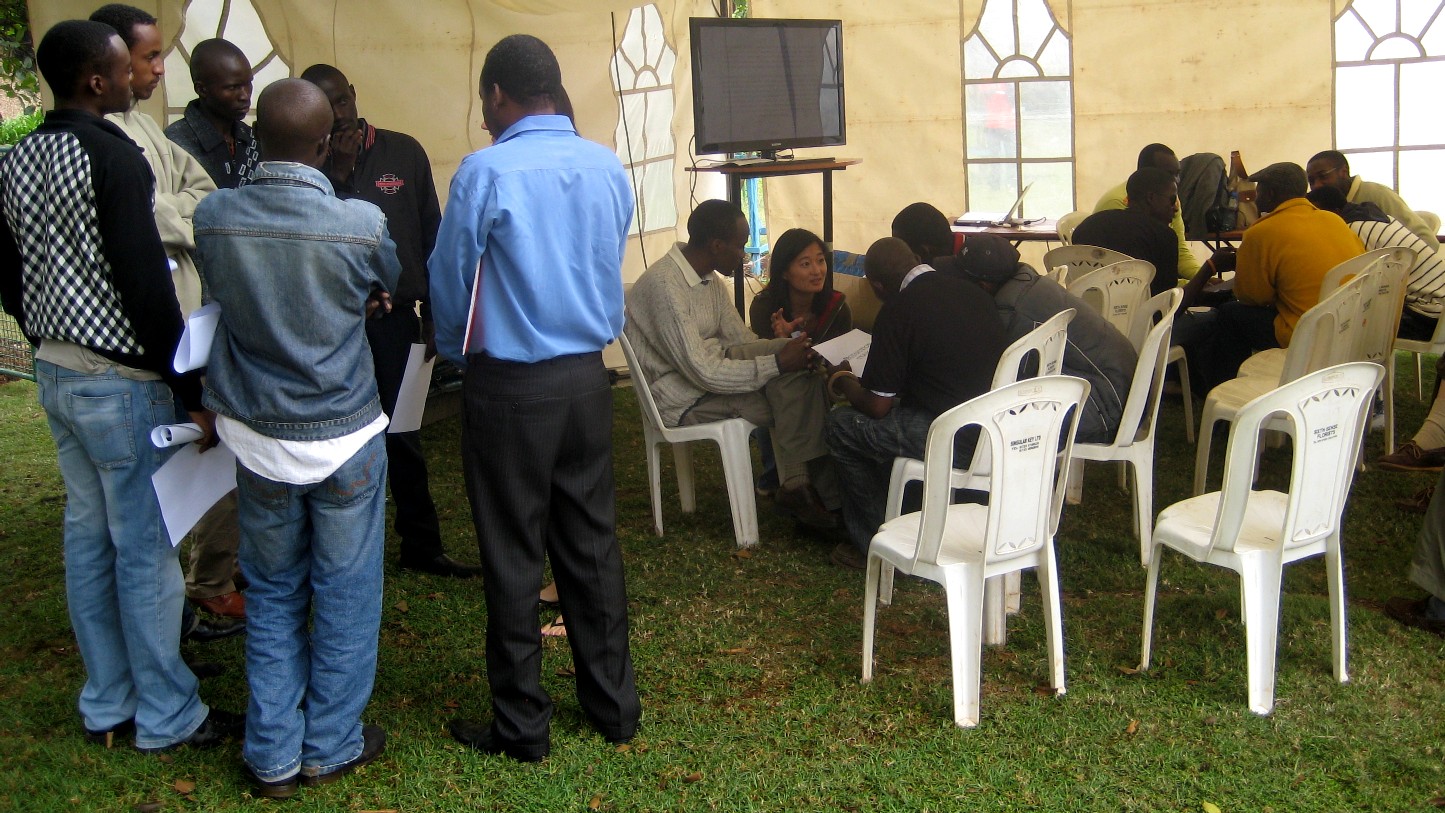
But this is Kenya, and things here run on Kenya time. Our workshop was no exception. We delayed our start time to 10:30, and then 11, and by 11:15 a handful of people had gathered – not as many as we hoped, but enough to start teaching. By 11:25, every seat was filled. By 11:30, people brought their own chairs. We were finally underway.

Like yesterday, we started with pairs of contrasting stories that are the core of the Barefoot MBA lessons. And like yesterday, participants caught on right away: Production is important because it adds value and allows sales at a higher price, leading to higher profits. Marketing is about understanding wants and needs; if a customer understands why he needs a product, he is more likely to buy it.

Also like yesterday, we illustrated the lessons with an activity adapted from our initial pilot in Thailand. This time, two teams made and sold bicycles to each of six buyers with specific demands. We limited the production capacity of each team, and at first each wanted to produce as many generic bicycles as possible. One team quickly shifted strategy, though, choosing instead to sell fewer high-quality, customized bicycles at a higher markup – and eventually outselling the other team. The different strategies led to a discussion afterward of specialization versus diversification. Ultimately, the conversation returned to marketing.

Participants applauded when the session concluded, and we thought we were done. Then came the best illustration yet of Kenya time: just as we wrapped up, a handful of our most engaged students from yesterday approached our tent and asked when today’s session would begin.

Maker Faire Africa: Lessons, day 1

NAIROBI – The 100 or so makers here at Maker Faire Africa come from all over the continent, largely from Kenya but also from countries like Burundi, Ghana, Rwanda and South Africa. Their products span a broader array, from hand-crafted mobiles to water pumps, eggshell art to stoves made from burning trash.

But at the Barefoot MBA workshop, participants had a singular focus: learning basic business. Our first day’s session taught profit and investing using stories and an interactive activity we adapted from our initial pilot, in Thailand. Our 25 participants engaged in the stories and actively participated in the questions that followed. They were enraptured, though, by the activity, which illustrates interest by showing the value of several equal investments over the same time period.

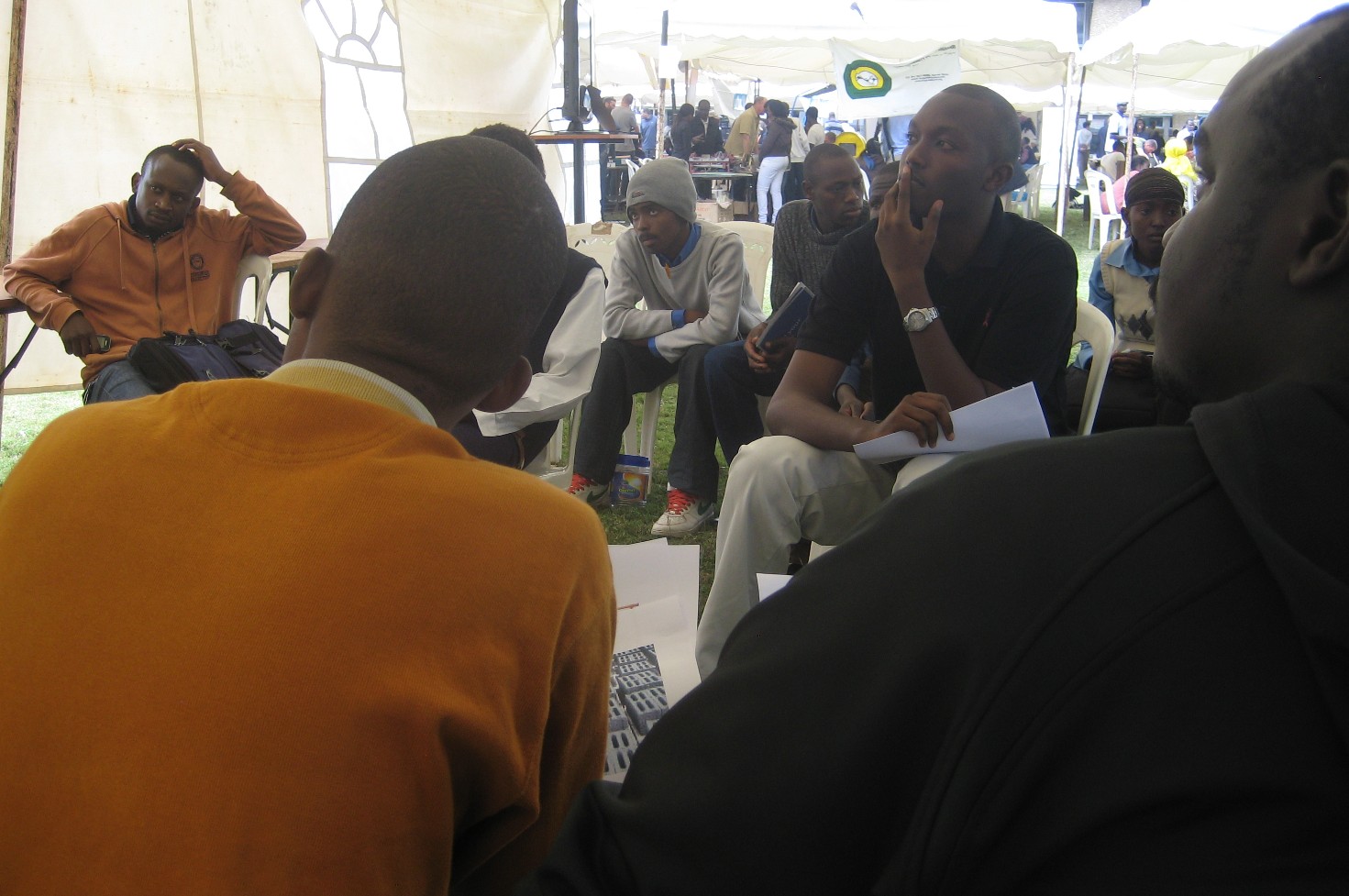
We developed the activity in rural Thailand, where participants playing the roles of customers invested in items that grew naturally, like seeds and baby animals. We hesitated to use agricultural examples here in Nairobi, preferring instead to use investments with which largely urban participants could identify. Joy suggested cement, and we demonstrated the concept of investment by having participants invest in cement mix and two kinds of brick-making machines. (One participant still invested in nothing, retaining our control case.)

Participants understood immediately; later, those who walked by our workshop said they could tell by body language and laughter alone that participants were learning.

In the discussion that followed, participants answered our questions and asked some of their own. When asked for other examples of investments they’d made, one even said he just sold eight cows, six more than he bought several years ago. When someone else asked what he should invest in next, we underscored the importance of investing in familiar areas – imagine if someone who’d never seen a cow suddenly owned eight or even two.

Overall, feedback was positive. A participant from Burundi asked how he could use the Barefoot MBA at home. Others said they’d bring their friends to tomorrow’s session. And we heard later from event organizers that people asked why we weren’t teaching the other fourteen Barefoot MBA lessons.

Come back tomorrow for two more, we said. And then enjoy the rest of Maker Faire.

Kenya: Ready for a big day

NAIROBI – Tomorrow is a big day here in Kenya.

The country will celebrate the promulgation of its new constitution in front of hundreds of thousands of spectators and dignitaries like Kofi Annan. And at the University of Nairobi, Maker Faire Africa will begin. MFA is expecting some 100 makers – innovators, inventors and other creative entrepreneurs – for two days of idea sharing and community building.

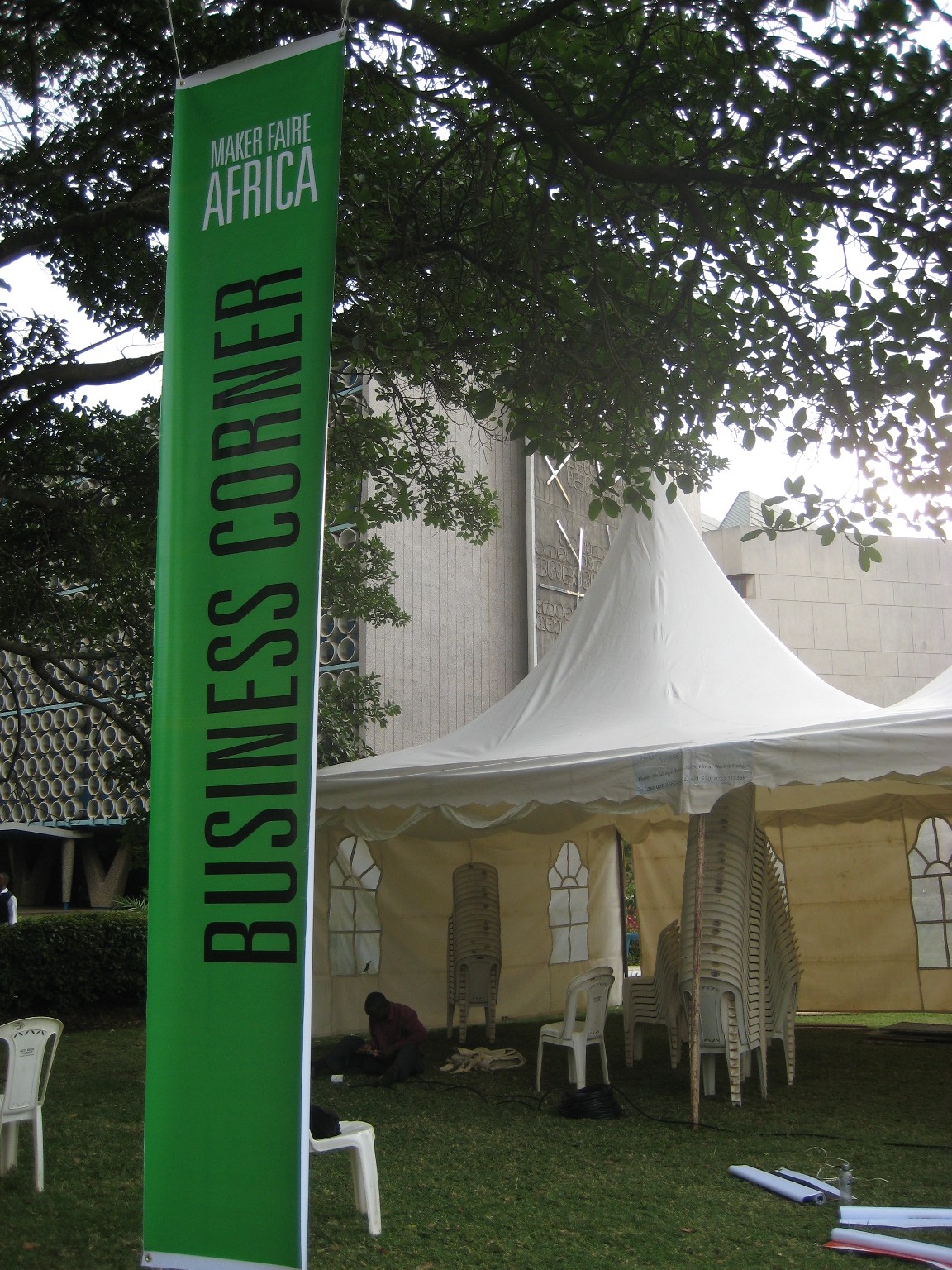
This afternoon, the grounds for MFA were but a collection of tents on a flat campus field. Tomorrow, those tents will be transformed, many into exhibition space. One tent already has an official “Business Corner” banner, formalizing a two-day home for the Barefoot MBA. Joy and I will spend the morning talking to makers so that after lunch we’ll be ready to teach our first lessons, on saving and investing.

Barefoot MBA goes to Africa

Two groups in Africa have invited us there to implement the Barefoot MBA. Katherine has been working remotely with them to adapt our materials and will travel to Kenya and Rwanda to visit markets and gardens, meet teachers and students, and run workshops.

Kenya: Maker Faire Africa

Maker Faire Africa describes itself as “a celebration of ingenuity, innovation and invention.” Its event last year drew more than 900 to Accra, Ghana, for workshops, seminars, lectures and other showcases of innovation meant to spur collaboration across the continent. The Africa News video brings last year’s event to life. Feedback from Maker Faire 2009 was positive but included a cry for basic business education — exactly what the Barefoot MBA aims to teach.

Katherine is working with Joy, who has helped organize the event, to adapt the Barefoot MBA for the makers expected to attend the Maker Faire business basics workshop, which she and Joy will run on August 27 and 28 in Nairobi.

*

Rwanda: Gardens for Health

Gardens for Health International (GHI) enables people living with HIV / AIDS to improve their nutrition and health through low-cost, sustainable agriculture practices.

GHI’s country director, Julie, says its cooperatives have a real need for our training. GHI usually is the first to extend credit to its members; it wants to build an integrated training program so clients can access loans from a range of institutions. To date, GHI’s trainings have been mostly in agronomy and cooking. GHI is bolstering its training but largely in agriculture, where its strengths lie.

Katherine, Julie and the GHI staff are adapting and translating the Barefoot MBA for GHI’s cooperatives to ready for their work together in Rwanda the week of August 30. We’ll spend the beginning of our time together visiting cooperatives and community gardens and making final adjustments to the lessons. Then, as we successfully did in the Philippines, we’ll run a train-the-trainers workshop for GHI field officers and then watch as they teach the Barefoot MBA lessons to cooperative members.

*

Though these are not the first African organizations to use the Barefoot MBA, they are the first to host either of us in person. We’re excited for what this means for the Barefoot MBA and our partners. Please check the blog for Katherine’s East Africa updates.

Kukutana na wewe katika Nairobi! (Meet you in Nairobi!)

Progress in Nicaragua

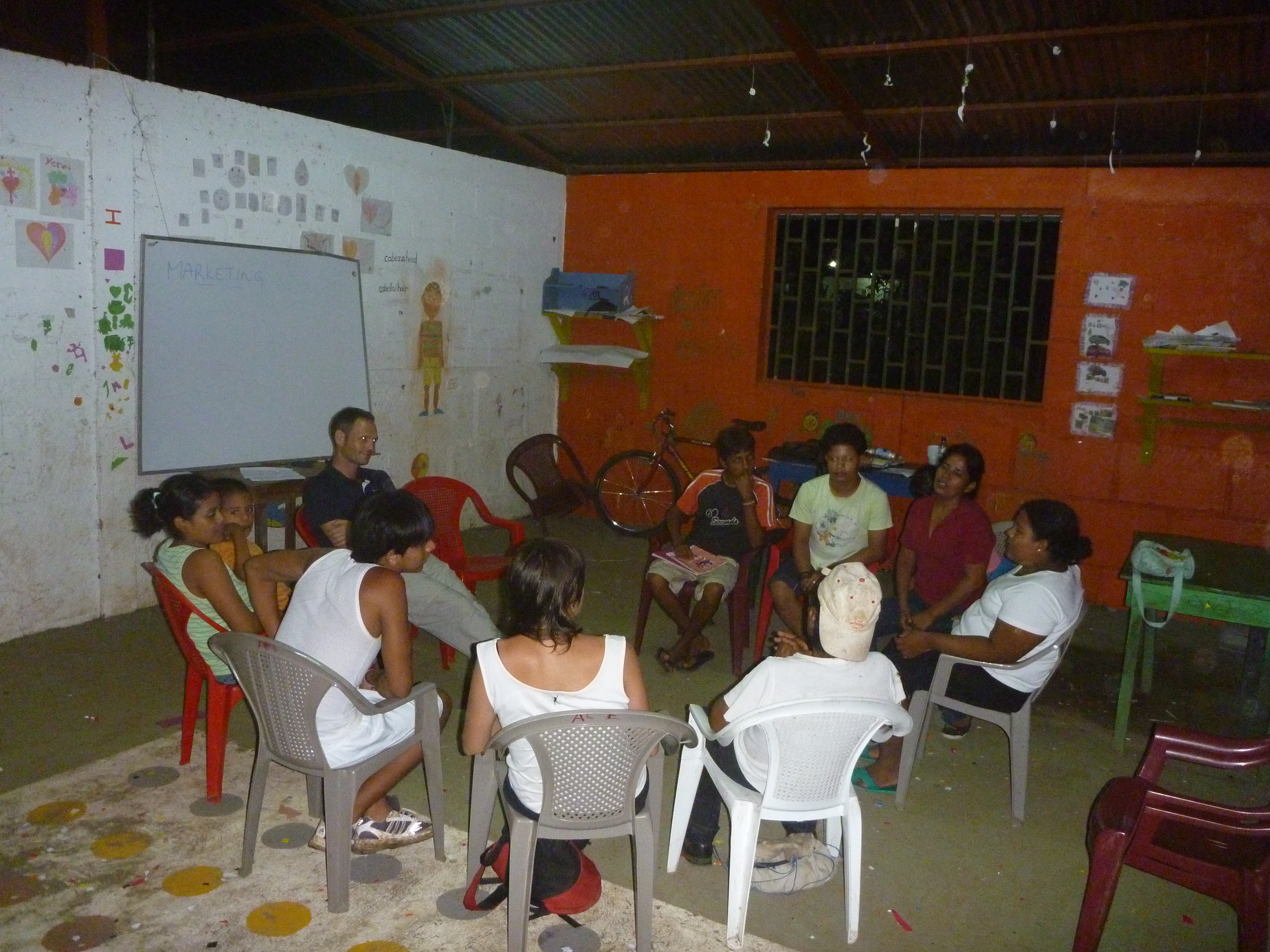
Our partner in Nicaragua, Casas de la Esperanza, held another Barefoot MBA class last night. Amy-Ruth writes:

The group used lots of local examples which was great and captured everyones interest. Things like the cost of producing ‘fresco’, of making a pair of ‘pantalones’, creating ‘anillos’ and selling mobile phone top-ups. Having a good activity is key to everyone learning and enjoying themselves.

As we are going on further everyone is coming out of their shells a lot more, feeling comfortable with each other and with us too. One of the real benefits that we could see is that the members of the class will feel comfortable to ask the other members, in the future, for business help or advice.

We have also found that the more active we can keep everyone, the better. Nicaraguans are very expressive people and, although the group isn’t great with understanding the numbers side of business they love to act out situations. In the class we try and incorporate the hard figures of business while also adding a big element of activity and team work.

Note the children in the background of the photo below. As Amy-Ruth says, “here you can’t have a class without the kids coming too!” We look forward to more updates soon.

Rwandan adaptation

We’re thrilled to announce a partnership with Gardens for Health International, an organization in Rwanda that helps people living with HIV / AIDS improve their nutrition and health through low-cost sustainable agriculture practices. GHI, which counts an Echoing Green fellowship among its accolades, enables its constituents to form small business cooperatives and access arable land. It also provides microloans and identifies and provides initial business investments. GHI delivers training, but to date that has been limited to nutritional training. We are working with GHI to adapt and implement the Barefoot MBA to add basic business to the training GHI constituents receive.